
We exterminate pests for good
Affordable, eco-friendly pest control for homes and businesses across Chicago’s North Shore and Northwest Suburbs. State-licensed technicians. No contracts. Safe for your family and pets.
A cleaner, pest-free home — without the hard sell
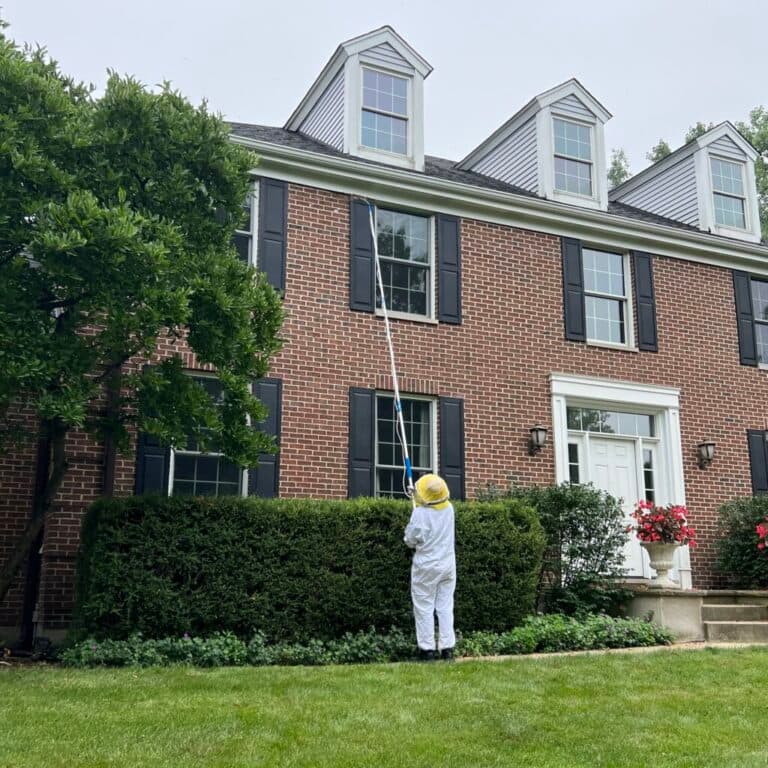
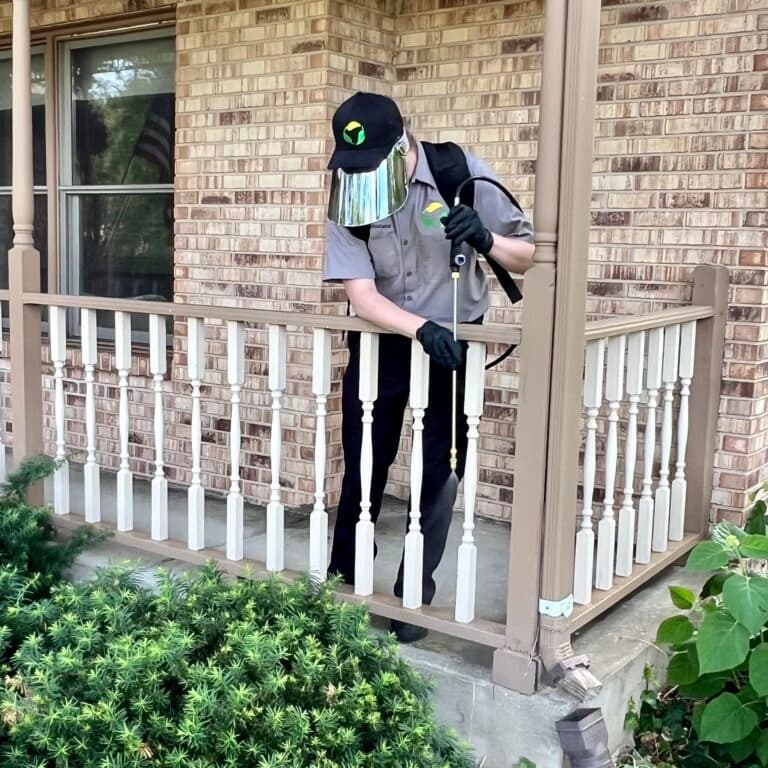
Everyone wants a clean and pest-free environment. Our state-licensed technicians exterminate bugs and rodents in a safe, environmentally conscious way — and address the source so pests don’t come back.
Service, Not Sales
Our goal is to provide exceptional customer service with superior results — never a hard sell.
No Contracts
We never lock you into long-term contracts. Stay because the work is great, not because you’re trapped.
People & Pet Safe
Eco-conscious products applied by state-licensed technicians who put your family and pets first.
Pest control services for every situation
From a one-time fix to year-round protection, we tailor the plan to your home, your business, and the pest you’re dealing with.
Pest-free in four simple steps
No pressure, no contracts — just a clear process that solves the problem and keeps it solved.
Call or Text
Tell us what you’re seeing. We’ll recommend the right solution and book you — often within 24 hours.
Inspect & Identify
A licensed technician inspects inside and out, identifies the pest, and finds the source and entry points.
Treat the Problem
We treat the infestation and the source with people- and pet-safe products, then document the work.
Stay Protected
Choose a one-time visit or a recurring plan with free re-service between treatments. No contracts.
Mouse & rodent control
Mouse exterminators & rodent exclusion experts
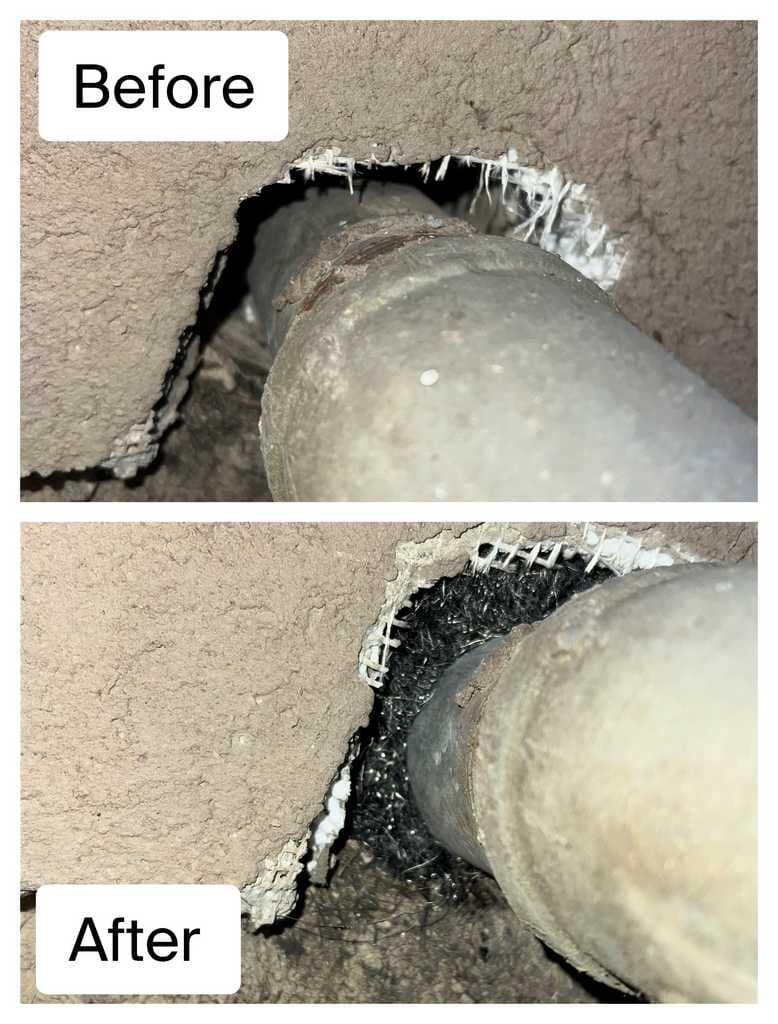
Protect your home and family from the health risks and property damage caused by mouse infestations. We don’t just remove rodents — we seal the gaps that let them in and back it with a one-year guarantee.
- Tamper-proof bait stations in unfinished areas
- Photo-documented entry-point inspection + PDF report
- Durable, mouse-proof exclusion sealing
- Secondary-poisoning-safe rodenticide
Know your pest, solve your problem
From mice and ants to wasps and overwintering invaders, we treat a broad range of household and commercial pests in our region.
Incredibly responsive and professional. They always respond right away and are very flexible with scheduling. Staff is well trained and friendly. And most importantly, no bugs or other pests since we started using them. Highly recommended!
Trusted by homeowners & businesses
Responsive, professional, and effective — here’s what our neighbors say.
“Incredibly responsive and professional. They always respond right away and are very flexible with scheduling. Staff is well trained and friendly. And most importantly, no bugs or other pests since we started using them. Highly recommended!”
“We had mice getting into the garage every fall. They sealed everything up, showed me photos of every entry point, and we have not seen a single mouse since. Worth every penny.”
“No pushy contracts, just great service. The technician explained exactly what he was doing and why. Our ant problem was gone within a week.”
“Quick to schedule and genuinely cared that the products were safe for our dog and kids. The quarterly plan has kept our home pest-free all year.”
“Called about a wasp nest by our front door and they were out the next day. Handled it safely and gave tips to keep them from coming back. Excellent.”
“We use them across several commercial properties. Reliable monthly service, detailed reporting, and they take our tenants’ concerns seriously. A real partner.”
“Incredibly responsive and professional. They always respond right away and are very flexible with scheduling. Staff is well trained and friendly. And most importantly, no bugs or other pests since we started using them. Highly recommended!”
“We had mice getting into the garage every fall. They sealed everything up, showed me photos of every entry point, and we have not seen a single mouse since. Worth every penny.”
“No pushy contracts, just great service. The technician explained exactly what he was doing and why. Our ant problem was gone within a week.”
“Quick to schedule and genuinely cared that the products were safe for our dog and kids. The quarterly plan has kept our home pest-free all year.”
“Called about a wasp nest by our front door and they were out the next day. Handled it safely and gave tips to keep them from coming back. Excellent.”
“We use them across several commercial properties. Reliable monthly service, detailed reporting, and they take our tenants’ concerns seriously. A real partner.”
Proudly serving the North Shore & Northwest Suburbs
We provide residential and commercial pest control across 68+ communities in Lake, Cook, McHenry, and Kane Counties.
Questions, answered
Still wondering about something? Call or text us — we’re happy to help.
Pricing depends on the pest, the size of your home, and accessibility. We give straightforward estimates with no obligation — just call or text and we’ll walk you through it.
Appointments are typically available within 24 hours, and most treatments take about 40 minutes.
The vast majority of services we provide do not require people or pets to vacate the home during treatment.
Yes. We use eco-conscious products applied by state-licensed technicians, and most products have a residual effect for up to 90 days.
Never. We don’t lock you into long-term contracts — we earn your business with great service every visit.
Get rid of pests in your home or business today
Call or text to find the best solution for your pest problem. Appointments are typically available within 24 hours.